Downsides of traditional cloud development
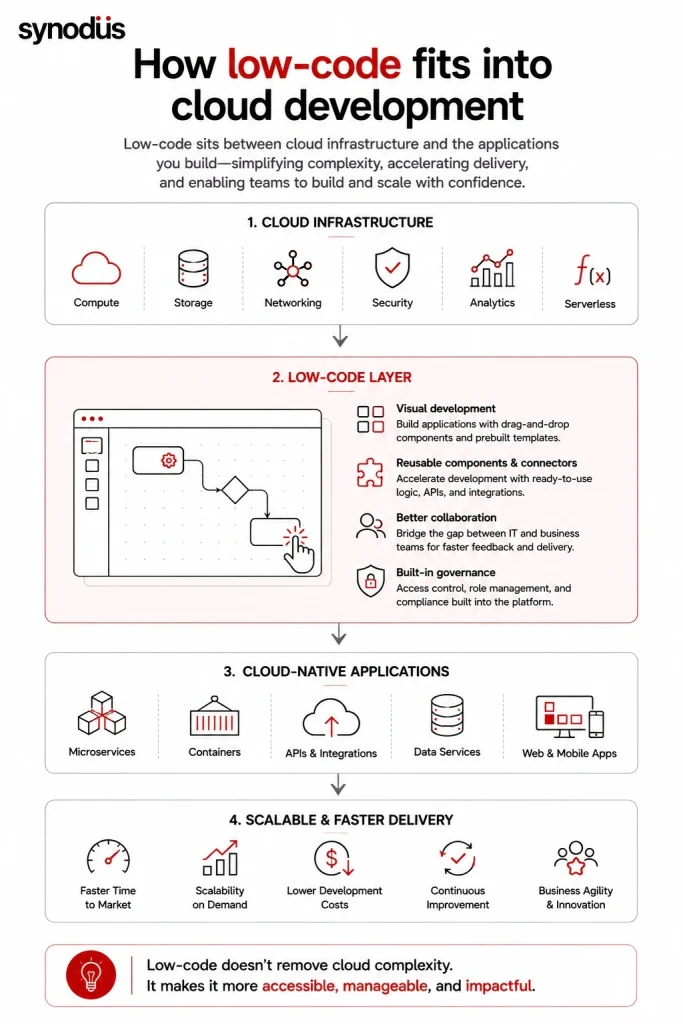
Cloud has become the default for a reason: it is lightweight, scalable, and reliable compared to on-premise infrastructure. Over the past few years, enterprises have leaned hard into microservices and containers to get there. A survey of IT leaders from Oracle found that most consider cloud-native development a critical skill for their organization, and that has not gotten any less true since.
That said, traditional cloud-native development still comes with real friction.
A successful cloud build takes deep skill in cloud and database architecture, and qualified cloud developers remain hard to hire. That drives up development costs early in a project, and the early stage tends to run long as a result. On top of that, the sheer number of cloud services available today can leave teams unsure where to even start, and once a project is running, managing a growing web of interconnected services adds its own overhead.
Why low-code is worth considering for cloud development
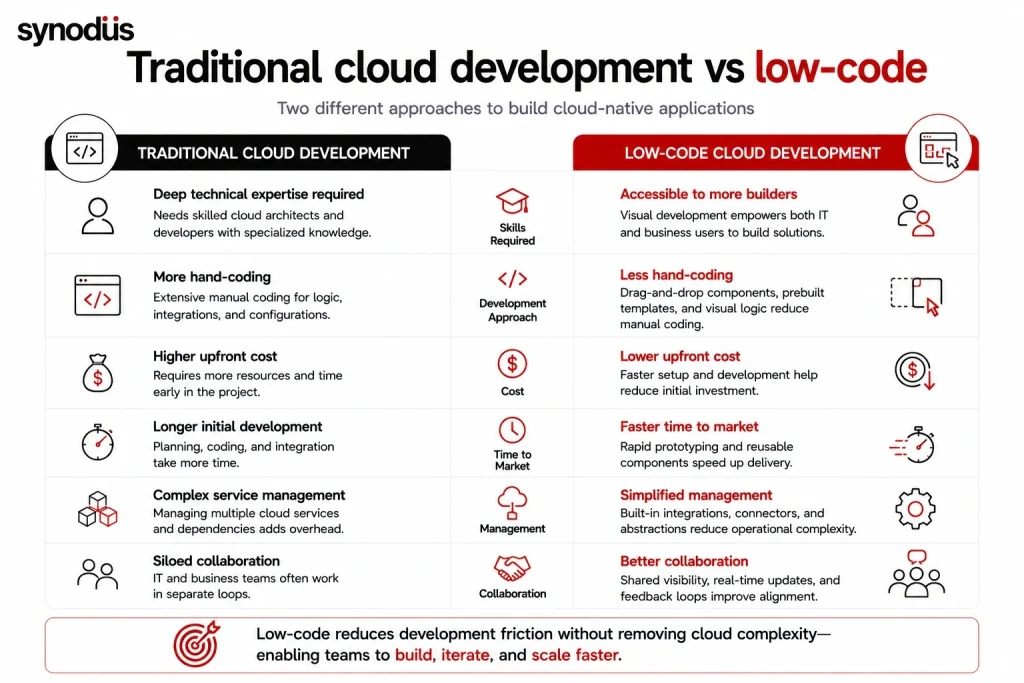
Low-code lets people build applications visually, through a point-and-click approach instead of hand-written code. Logic gets packaged into blocks that users drag into sequence.
It does not remove the underlying complexity of cloud development. What it does is make that complexity more approachable, for both non-technical users building their first app and professional developers looking to automate repetitive work.
By cutting down on hand-coding, low-code lets organizations redirect budget toward the harder, more specialized problems in a cloud build. Scalability tends to hold up well too, since most platforms are built to make changes across a program while keeping everything in sync.
It also changes how technical and business teams work together, which matters more than it sounds. Non-IT departments can sketch a prototype to communicate an idea. Citizen developers can build and test a beta version of a cloud application before handing it to IT for deeper customization. Built-in access control and real-time updates keep feedback moving instead of stalling behind email threads.
See how low-code supports citizen developers through this kind of collaboration.
What has actually changed by 2026
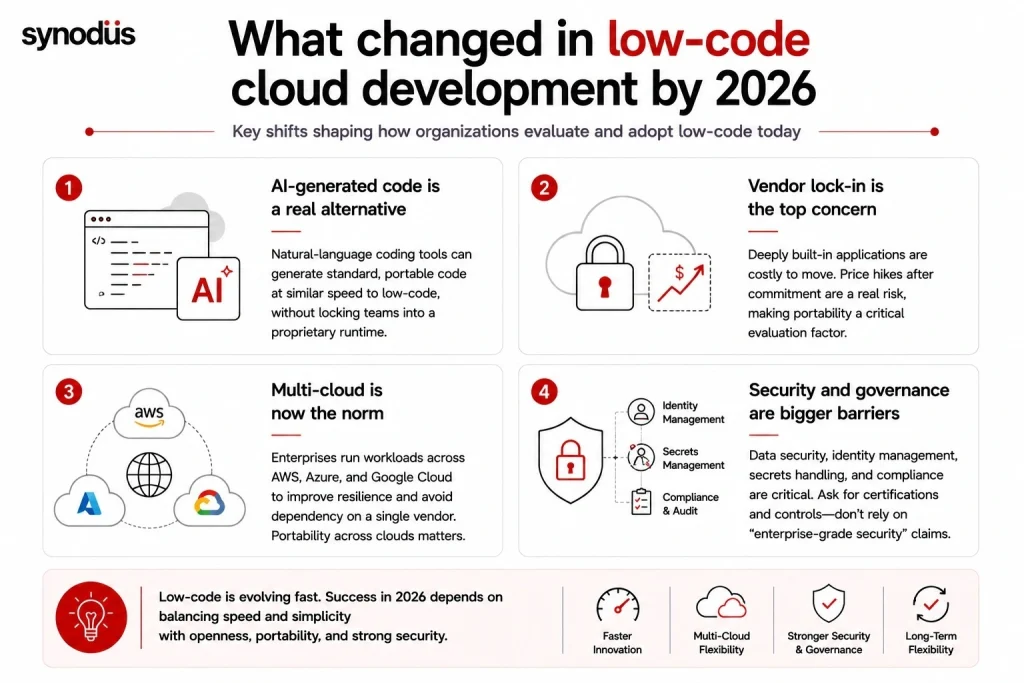
The pitch above, low-code as a fix for the developer shortage, is not wrong, but it is no longer the whole picture. A few things have shifted enough that they belong in any real evaluation.
AI-generated code is now a genuine alternative to low-code itself: Natural-language coding tools can produce standard, portable code at a similar speed to low-code, without locking a team into a proprietary runtime. That does not make low-code obsolete, but it does mean the old argument, low-code is faster because coding talent is scarce, needs a second look.
Vendor lock-in has become the top concern, ahead of cost: Once an application is built deep inside a specific low-code runtime, moving off that platform later gets expensive fast. This is not hypothetical: several 2026 industry reports point to major low-code vendors raising prices sharply once large customers are already committed, which is worth weighing carefully before you standardize on one platform for anything mission-critical.
Multi-cloud is now the norm, not the exception: Most enterprises run workloads across two or more cloud providers to manage resilience and avoid depending on a single vendor. A low-code platform that only runs well on its own managed cloud works against that strategy, so portability across AWS, Azure, and Google Cloud is worth checking early.
Security and governance are a bigger barrier than most vendors admit: Data security is one of the most commonly cited reasons enterprises hesitate to scale low-code past a pilot. Ask specifically about identity management, secrets handling, and compliance certifications rather than taking “enterprise-grade security” at face value.
Open-source low-code is a real option for avoiding lock-in: Platforms like Budibase, Appsmith, and ToolJet trade some of the polish of the big enterprise vendors for a self-hosted, extensible setup that sidesteps per-seat pricing and proprietary runtimes entirely. Worth a look if lock-in is your main concern and your use case does not need the full weight of an enterprise BPM-style platform.
Case study: Green Cargo on OutSystems

Green Cargo runs rail freight logistics across Scandinavia and Europe. Its legacy IT systems had become a real drag on digital innovation, so the company rebuilt on OutSystems with a scalable, microservices-oriented architecture. The rebuild let a small development team move faster and reuse components across applications instead of starting each build from scratch, giving the company a workable path off aging infrastructure without a multi-year rebuild.
Top 5 low-code cloud platforms
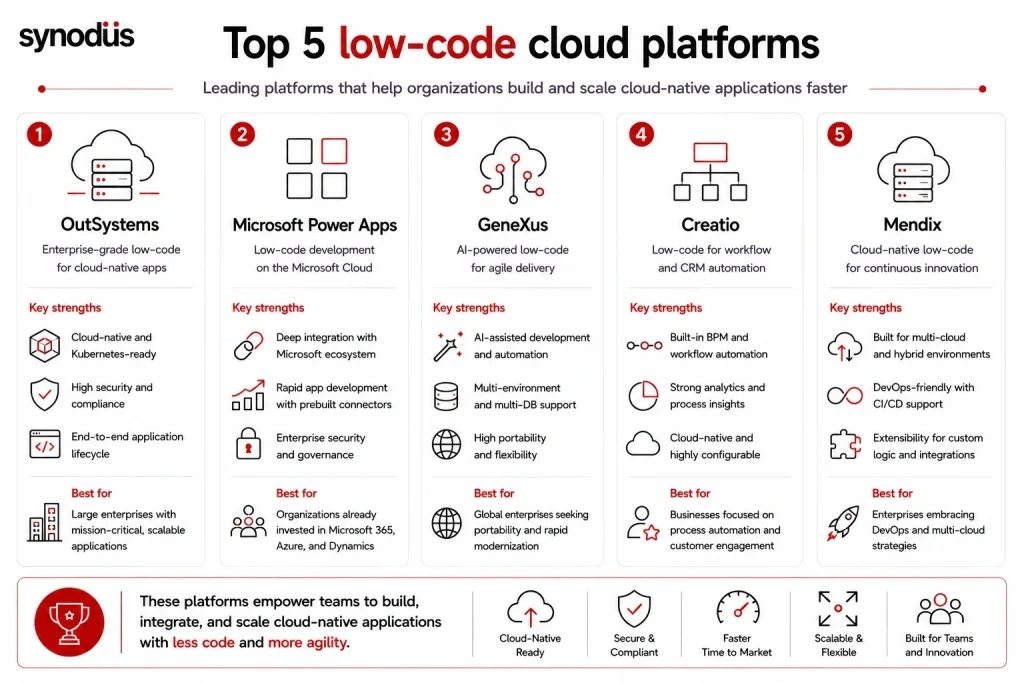
1. OutSystems
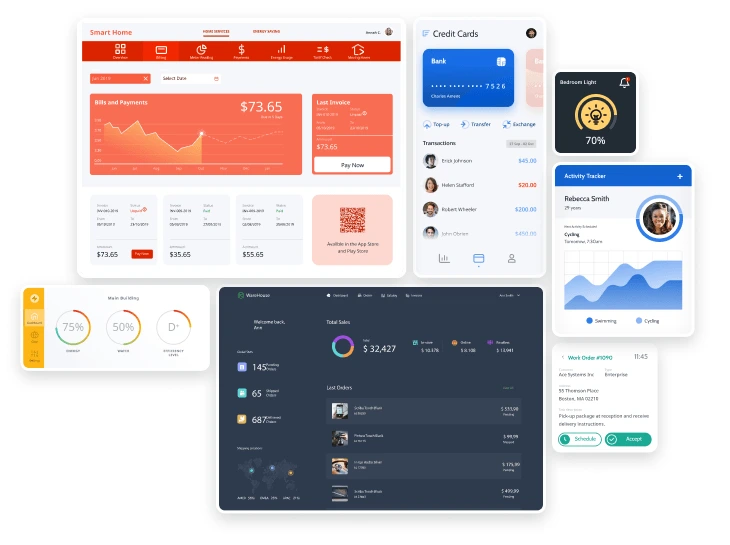
OutSystems is built for cloud-ready, enterprise-scale low-code development, with AI features aimed at workplace automation and process work. OutSystems Developer Cloud runs on AWS with support for Kubernetes, microservices, and Linux containers, which gives teams a fast, structured way to architect applications.
Built-in CI/CD lets non-technical users ship apps at close to the pace of a professional DevOps team, and cloud-native elements auto-scale, which keeps Kubernetes overhead and cost down. OutSystems also leans on APIs to extend management, monitoring, and authentication capabilities.
One caveat worth flagging: several reports through 2026 note OutSystems has raised its pricing substantially for existing customers, which is a real factor if you are planning a long-term, large-scale build on the platform.
2. Microsoft Power Apps
Power Apps is one of the more established names in low-code, built for quickly assembling enterprise-grade applications. It runs securely on Microsoft’s own cloud services, including Azure, Microsoft 365, and Dynamics 365, and connects out to storage services like OneDrive, Box, Dropbox, and Google Drive.
Citizen developers and professional developers can work in the same environment, sharing and editing from any device. Power Apps also automates business workflow using generative AI, on top of letting you build applications with a smaller team than a traditional build would need.
Read a closer look in our review of Microsoft Power Apps.
Synodus works with Power Platform tools including Power Apps, Power Automate, and Power BI, and has delivered projects like a task management system for Bamboo Airways built on Power Apps, Power Automate, and Power BI. See the case study.
3. GeneXus
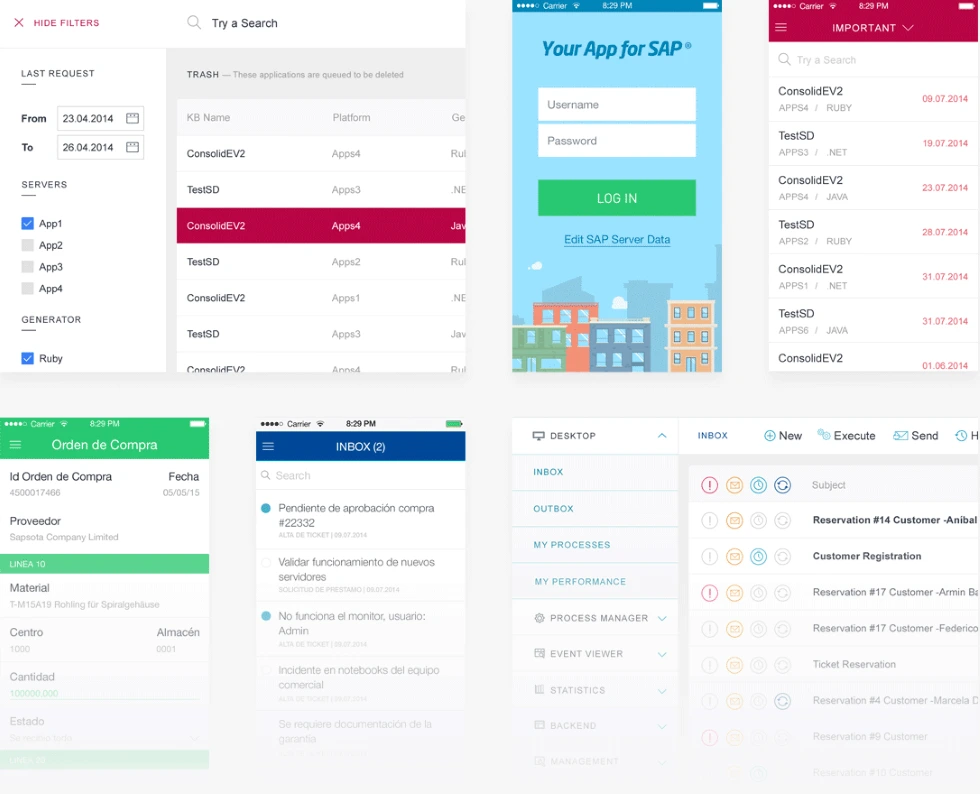
If you need an AI-integrated platform for automation and app maintenance across multiple environments, GeneXus is worth evaluating. It gives users automation and traceability across system update cycles, which helps applications keep up with growing demand without a full rebuild each time.
GeneXus is built for constructing complex, reliable cloud systems quickly and cost-effectively. Its recent updates have made deployment management more traceable, with features like a database catalog, backup and restore tools, and a development log with diffs. Through its component system, GeneXus can automatically validate, package, transfer, and publish applications to the cloud.
See how a low-code AI platform can support app development and maintenance more broadly.
4. Creatio
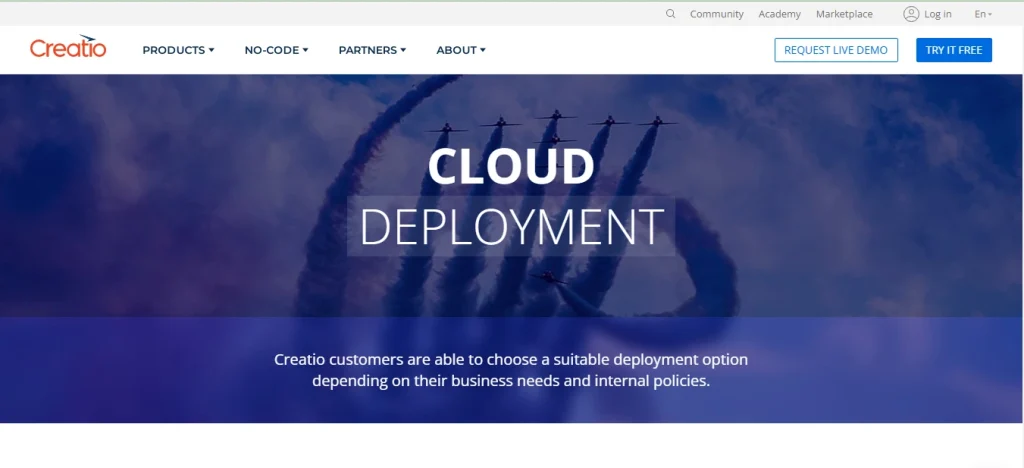
Creatio runs on established cloud infrastructure, including AWS and Microsoft Azure, which helps it avoid the risk of depending on a single provider and recover faster from outages.
Its standout features are a strong BPM engine for managing business processes and an analytics system built for diagnosing issues. Horizontal scaling is well optimized, so new infrastructure can be added automatically once usage crosses a threshold. Deploying on-site also gives teams direct database access along with their own certificates, security settings, and permission structures.
Read more about low-code BPM if workflow automation is the bigger driver for your team.
5. Mendix
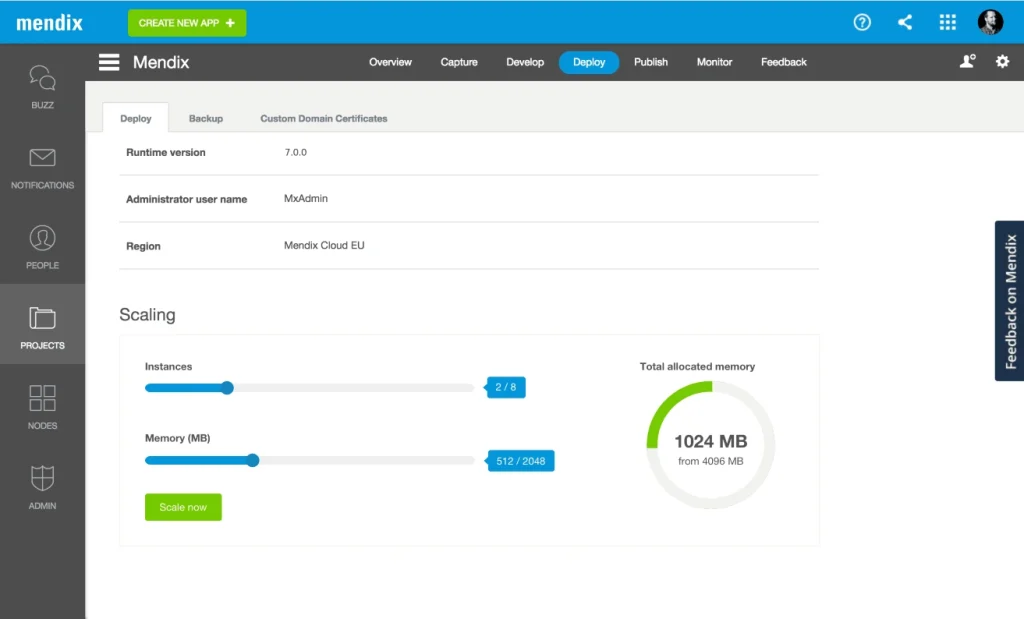
Mendix is a strong pick if cloud-native development specifically is the priority. Its ecosystem spans public Mendix Cloud, Mendix Cloud Dedicated, and Mendix for Private Cloud, so teams can choose the setup that fits their size and requirements. Mendix runs on established cloud providers including Azure, Google Cloud, AWS, and SAP, which keeps risk lower and resilience higher. Applications built on Mendix are portable, scalable, and deployable to public platforms with a single click, and teams can adjust manageable microservices securely as requirements shift.
PostNL, the national postal carrier of the Netherlands, is one of the better-documented examples of this in practice. Serving 17 million customers and delivering around 8.1 million items daily, PostNL’s legacy order management system could not keep pace once eCommerce volume took off. The company rebuilt its core system on Mendix using a microservices architecture, and the result now processes over a million parcels a day while clearing a two-year IT backlog in a matter of months.
What to expect when using low-code for cloud development
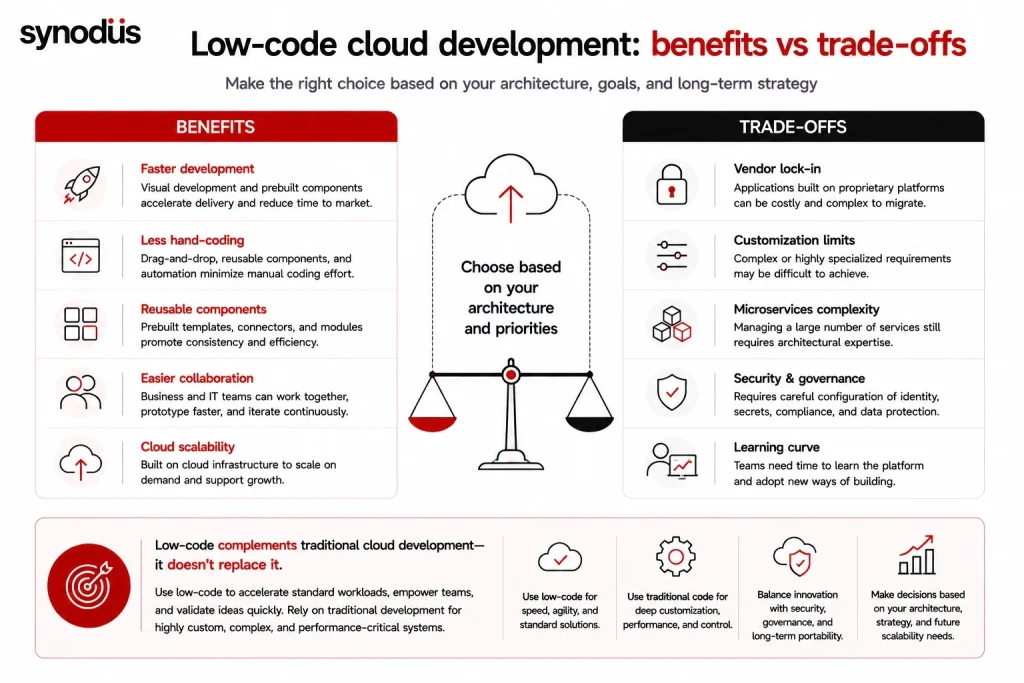
Low-code is often called the future of software development, but it is still evolving, and it does fall short of traditional development in a few specific ways worth planning for.
- Low-code is not automatically easy to use. Drag-and-drop reduces the amount of code you write, but customization is still what makes an application fit your business. Budget for proper training and a clear, documented process rather than assuming the visual interface removes the learning curve.
- Microservices customization is a real weak point. Microservices tend to be internal-facing and code-heavy, while most low-code platforms are built around front-end work and automation. That mismatch makes deep microservice customization one of low-code’s weaker areas. Setting up dedicated microservices hosting that can interact with the rest of your architecture helps, and choosing a platform already backed by a strong cloud provider helps even more.
Despite those limits, low-code is still worth serious consideration, especially for teams without deep in-house resources. For a broader shortlist beyond the five above, see top low-code platforms worth evaluating for startups, SMEs, and enterprises.
Frequently asked questions
It depends on the platform. Some, like OutSystems Developer Cloud, are built cloud-native from the ground up, with containers and Kubernetes underneath. Others are closer to cloud-hosted low-code, running your app on the cloud without giving you true microservices architecture. Check which one you are evaluating before assuming it fits a cloud-native strategy.
Often yes, since your application logic lives inside the platform’s proprietary runtime rather than in portable code. This is worth weighing seriously for anything mission-critical, and it is a big part of why open-source options like Budibase or Appsmith have gained ground with teams that want to avoid it.
To a point. Low-code platforms are generally better at front-end and automation work than at deep, code-heavy microservice customization. Teams that need highly customized microservices often pair a low-code front end with hand-coded services underneath, rather than building everything inside the low-code platform.
Not entirely, but it is now a real competitor rather than a future threat. AI coding tools can produce standard, portable code at low-code speed without the runtime lock-in, which is worth factoring into any long-term platform decision.
Match the platform to your actual constraints rather than a generic ranking. Power Apps makes sense if you are already deep in the Microsoft ecosystem. Mendix and OutSystems both lean cloud-native, with Mendix offering more deployment flexibility across providers. Creatio’s strength is BPM-heavy workflows. GeneXus stands out for AI-assisted maintenance across environments. Pricing and lock-in risk should factor into the decision as much as features.
Bringing it together
Traditional cloud development is not going anywhere, and low-code is not a wholesale replacement for it, but the two work well together when you go in with clear eyes about lock-in, cost, and where each platform actually runs. Weigh those factors against your own architecture before committing to one vendor for the long term.
Synodus has built low-code cloud applications on Microsoft’s Power Platform stack for clients across aviation, real estate, and pharmaceutical operations. If your team is evaluating low-code development services for a cloud project, book a free consultation to talk through what fits your architecture.