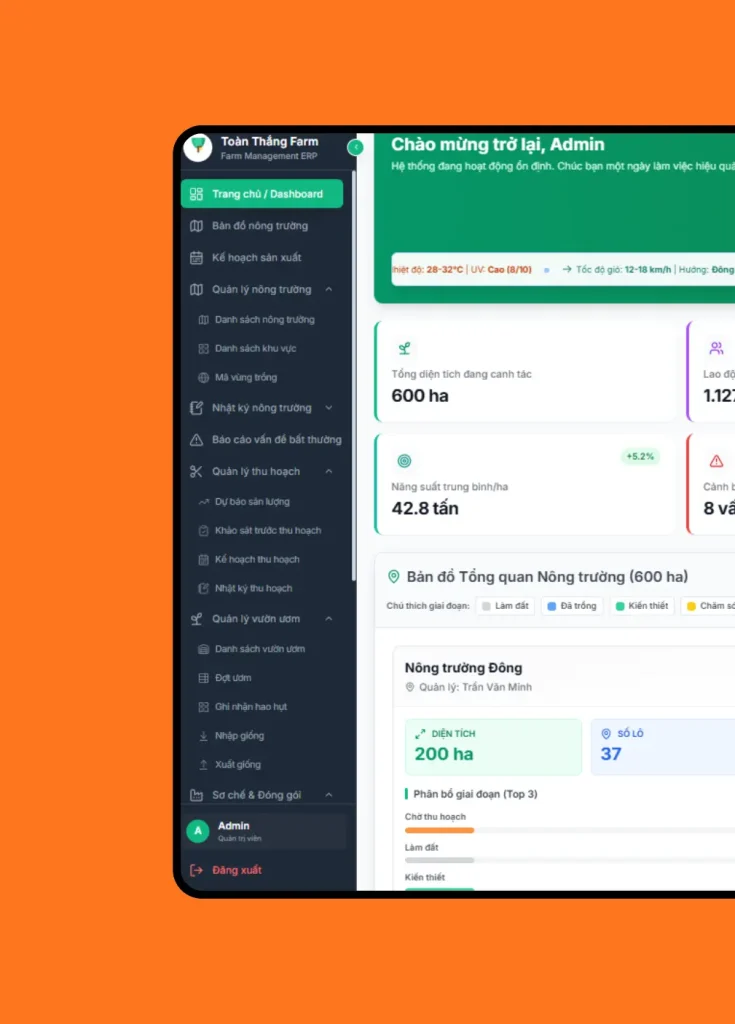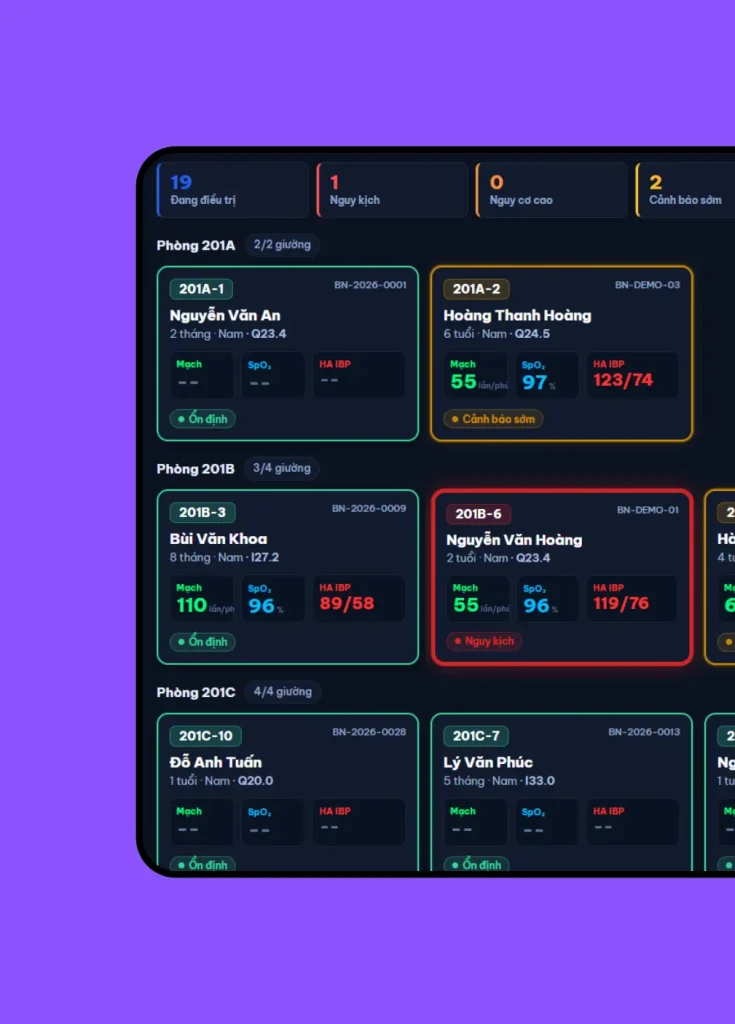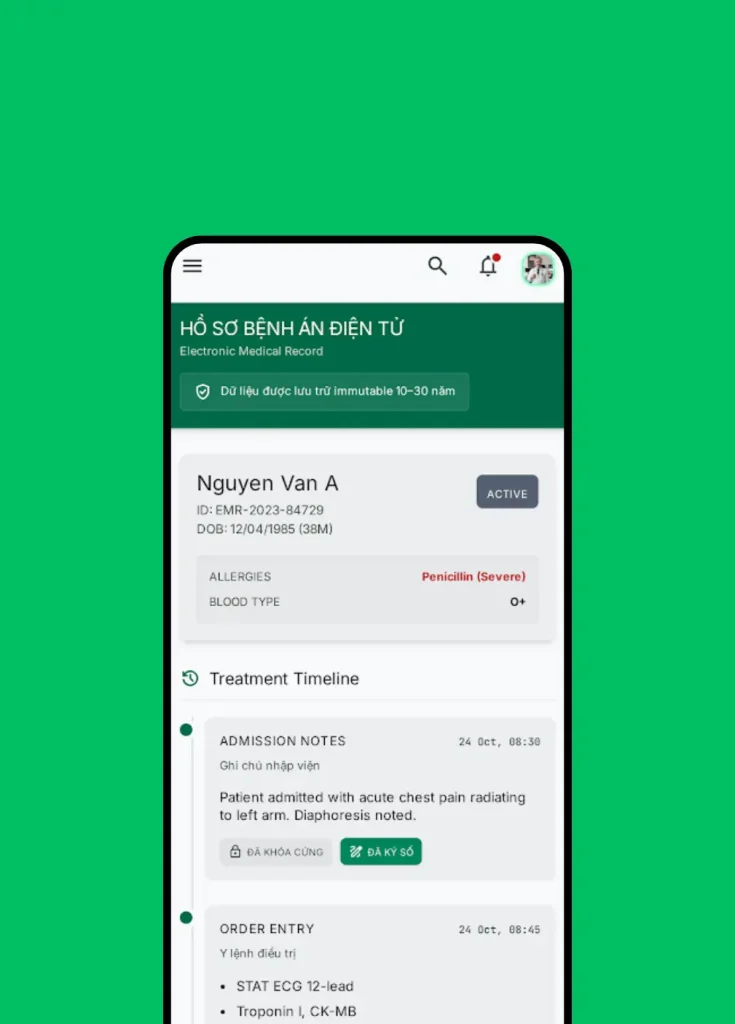
Our client is a major provincial general hospital, treating over 2,000 outpatients every day. To keep up with national healthcare standards and improve patient care, the institution needed to transition to a modern Electronic Medical Records (EMR) system.
However, they hit a major timing roadblock. The hospital was preparing to relocate to a brand-new facility, making it incredibly difficult to justify spending a massive budget on IT infrastructure for the old building.
To find a way out of this dilemma, they partnered with us to design a smarter digital roadmap.
What stood in our way
The hospital was caught in a tough transition period, facing obstacles that threatened to stall their digital upgrade:
- Outdated Infrastructure: The existing IT setup wasn’t powerful enough to handle the heavy demands of a modern EMR system.
- Strict Budget Limitations: Because resources were being funneled into building the upcoming new facility, funding for immediate IT upgrades was highly restricted.
- Zero Room for Downtime: With thousands of patients walking through the doors daily, the new system had to be deployed without interrupting daily medical checks and treatments.
The solutions we implemented
To solve this, our team designed a flexible roadmap that focused on smart deployment rather than heavy spending. We introduced a tailored web-based solution to host the EMR solution, ensuring it met all official Ministry of Health criteria while fitting the hospital’s current reality.
Instead of demanding expensive new hardware, we optimized and made the most of their existing infrastructure. We worked side-by-side with the hospital staff, handling every technical and operational issue on the ground.
We also focused heavily on system connectivity, ensuring seamless data integration between the EMR and other specialized medical software. This allowed doctors to securely access complete patient profiles anytime, anywhere.
What we achieved
The new system went live with zero downtime, ensuring daily medical services remained completely uninterrupted.
Today, the Electronic Medical Records system runs smoothly and reliably on optimized infrastructure, saving the hospital massive upfront hardware costs. Doctors can now retrieve patient histories instantly, and the staff operates with much higher efficiency.
By successfully bridging the technology gap during this transition period, the hospital has built a rock-solid foundation for a fully digital future at their brand-new facility.
If you also want to modernize your platform but don’t know where to start, we can help.
How useful was this post?
Click on a star to rate it!
Average rating / 5. Vote count:
No votes so far! Be the first to rate this post.