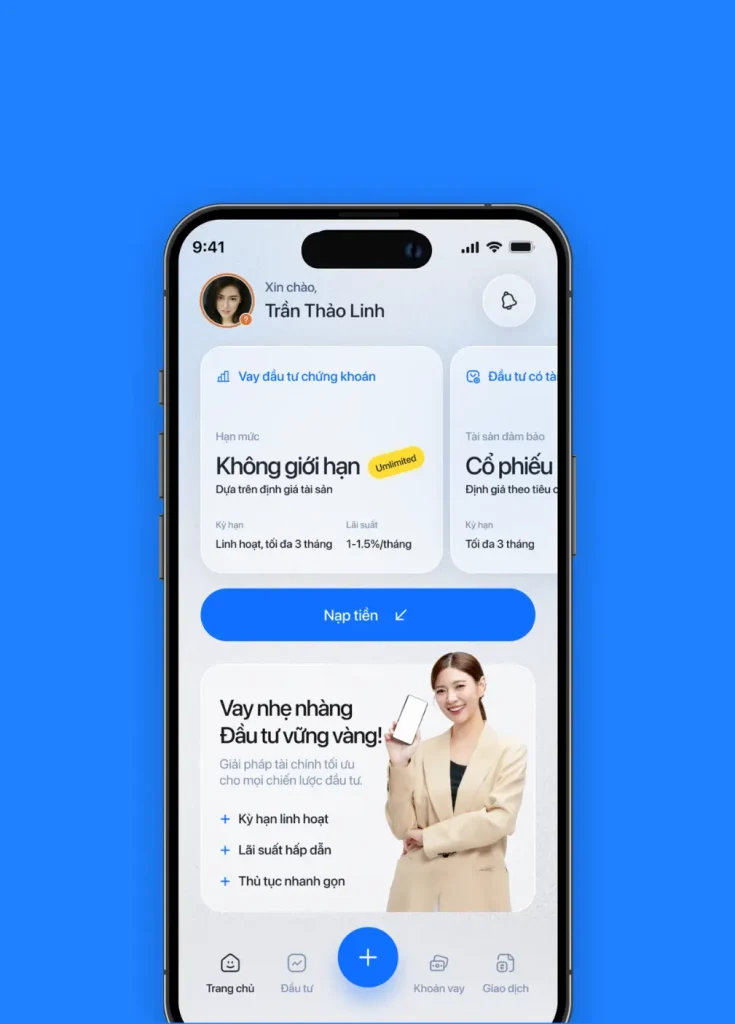
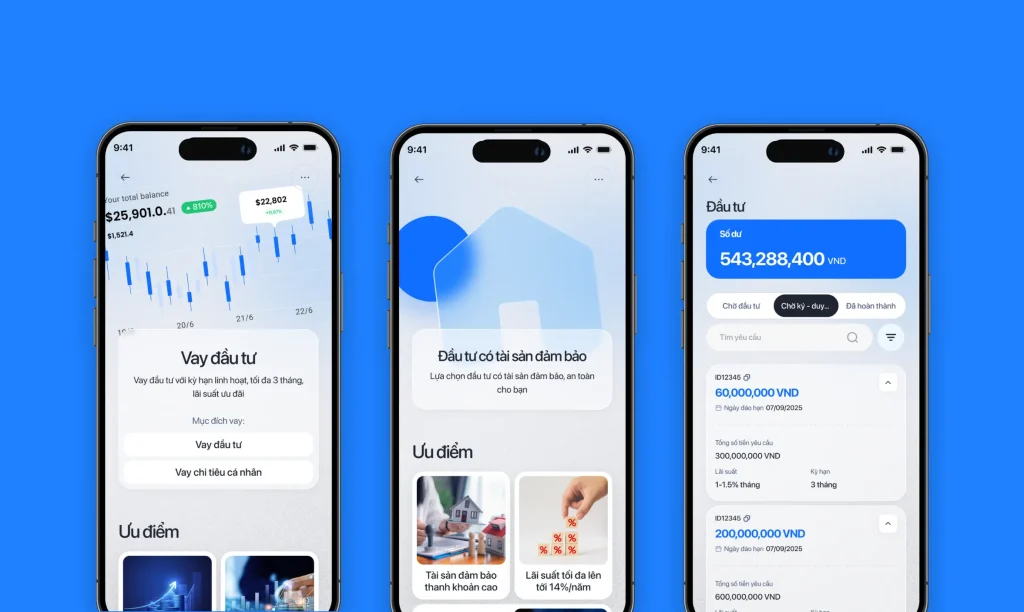
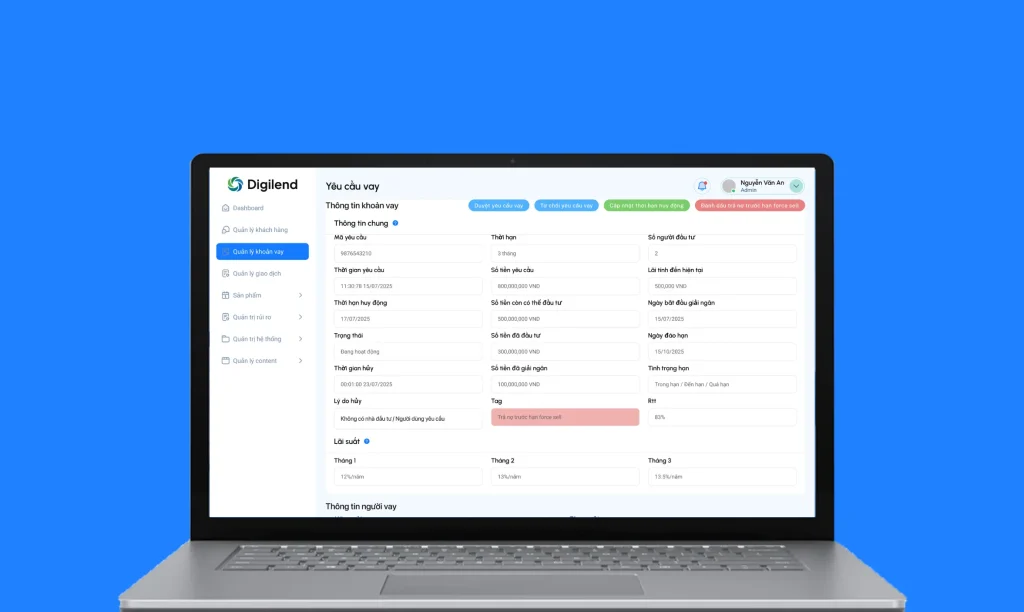
In 2025, we partnered with our client to build a specialized P2P lending platform. The goal was to create a digital bridge between individual borrowers and investors, allowing them to connect based on risk appetite and interest.
When we took over, the project was in a difficult spot. The client had an incomplete and dysfunctional codebase from a previous version, but the operational launch date was already set. We had exactly 3 months to refactor the system and deliver a stable product that could go live on time.
The struggle
As we moved forward, we faced two main issues that needed to be resolved quickly:
- Technical debt: The inherited code couldn’t support the new requirements. Instead of just patching the errors, we had to find a way to restructure the core architecture while racing against a very tight 3-month clock.
- Compliance barriers: Being a lending platform, the app was initially flagged by Apple under Guideline 3.2.1. There was a misunderstanding regarding banking licenses versus P2P licenses, which threatened to block our launch entirely.
Our approach & solutions
To get the project back on track, we focused on what mattered most for the business.
1. Restructuring the core
We decided that patching the broken legacy code was too risky for a financial platform. Instead, we identified the root causes of the instability and restructured the core architecture using NestJS and PostgreSQL.
To hit the 90-day target, we prioritized the “Happy Case”, the essential user flows that allowed the business to operate. By focusing on the core lending and investment cycles first, we ensured the client had a stable, functional product for their operational approval while non-critical features were scheduled for later updates.
2. Handling the regulatory challenges
To solve the App Store issue, we worked alongside legal agents to obtain a formal Legal Opinion. This document proved the platform’s status as a P2P service, which is exempt from traditional banking licenses in this context. We then negotiated directly with Apple’s review staff to explain the local regulatory framework, which ultimately cleared the path for the app’s approval.
3. Building the ecosystem
A P2P platform is only as good as its integrations. We built a seamless environment by connecting the platform with several key service providers:
- G-pay integration: We used G-Pay for automated wallet creation and eKYC (Electronic Know Your Customer). This allowed users to verify their identities and manage funds securely within the app.
- VNPT digital signatures: To ensure every loan was legally binding, we integrated VNPT’s digital signature flow. This removed the need for physical paperwork and ensured all contracts were enforceable by law.
- Vihat SMS-OTP: We implemented Vihat for secure SMS-OTP verification to protect sensitive actions like withdrawals and contract signing.
- Dual-user mobile app: We developed a unified interface using React Native that serves both Borrowers and Lenders. Borrowers can create loans and sign contracts, while Lenders can browse investment opportunities and assess risks—all in one place.
- Comprehensive admin CMS: We built a centralized hub for their team to monitor transactions, manage loan products, and track real-time interest rates and stock categories.
What we achieved
Despite the initial setbacks with the legacy code and the App Store, the project reached a successful conclusion just in time for the new year.
Rapid go-to-market
The product was completed and operationally ready by February 8th, 2026. We met the three-month “rush” timeline, allowing the client to start their operations as planned.
App store approval
We secured Apple’s approval just two days before the Lunar New Year holiday. This resolved a complex two-month standoff and allowed the app to be available to the public for the holiday peak.
Full legal compliance
We integrated digital signatures into the platform, so every P2P loan is 100% legal. This way, the business can operate safely and users don’t have to worry about the legitimacy of their contracts.
The road ahead
We are still working closely with our client to bring more features to the platform. Our next steps include developing a System Wallet for easier withdrawals, a Salary Advance module, and a Broker Module to help agents manage their customer portfolios more effectively.
We are proud to have helped them turn a high-risk technical situation into a successful, compliant, and growing fintech business.
How useful was this post?
Click on a star to rate it!
Average rating / 5. Vote count:
No votes so far! Be the first to rate this post.